Vibe Coding: Pros and Cons for Modern Software Development
- Mark Chomiczewski
- 22 September 2026
- 0 Comments
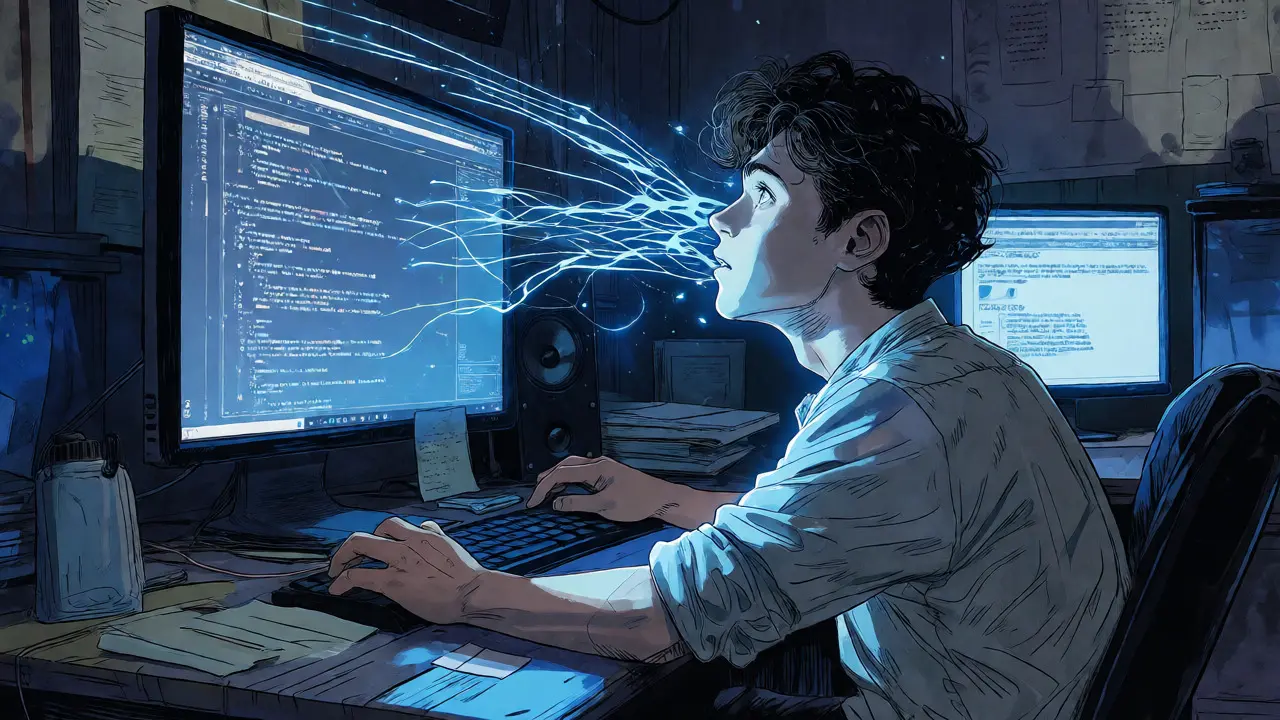
You type a prompt like "build me a flashcard app with flip animations," hit enter, and boom-working code. No boilerplate, no syntax errors, just results. This is vibe coding, a development approach where developers use natural language prompts to drive AI-assisted code generation. It sounds like the future of programming, right? But while it feels like magic in the moment, many teams are waking up to a messy reality: who actually understands what the code does?
As of 2026, vibe coding has moved from novelty to necessity for many startups. Y Combinator reported that 25% of founders in their 2025 batch built nearly all their code using AI tools. That’s huge. But speed isn’t everything. If you’re considering this workflow, you need to know exactly where it shines and where it burns your budget.
What Actually Is Vibe Coding?
Forget strict syntax rules for a second. In traditional coding, you write logic line by line, worrying about data types and memory management. In vibe coding, you describe the intent. You tell an AI agent what you want the software to feel like or do, and it generates the implementation. The term comes from the idea that you’re guiding the "vibe" of the application rather than micromanaging every variable.
The mechanism relies on large language models (LLMs) interpreting conversational requests. You might say, "Make the button red when hovered," and the AI writes the CSS and JavaScript event listeners. You iterate by feeding error messages back into the chat. It’s less like engineering and more like directing a very fast, very literal intern.
The Blazing Speed Advantage
Let’s be honest: nothing beats the dopamine hit of seeing a working prototype in ten minutes. Traditional development involves requirement gathering, architecture planning, documentation, and QA cycles. Vibe coding skips most of that. A developer can build a functional minimum viable product (MVP) over a weekend instead of a quarter.
- Rapid Iteration: Want to change the database schema? Just ask the AI. It updates the models and migrations instantly.
- Lower Barrier to Entry: Non-technical founders can build functional landing pages or simple tools without hiring a full-stack engineer.
- Cognitive Ease: Your brain works in concepts, not curly braces. Vibe coding aligns with how humans naturally think about problems.
I’ve seen solo entrepreneurs launch three distinct products in two months using this method. For validating ideas quickly, it’s unbeatable. You get feedback from real users before you’ve spent thousands on salaries.
The Hidden Costs: Security and Technical Debt
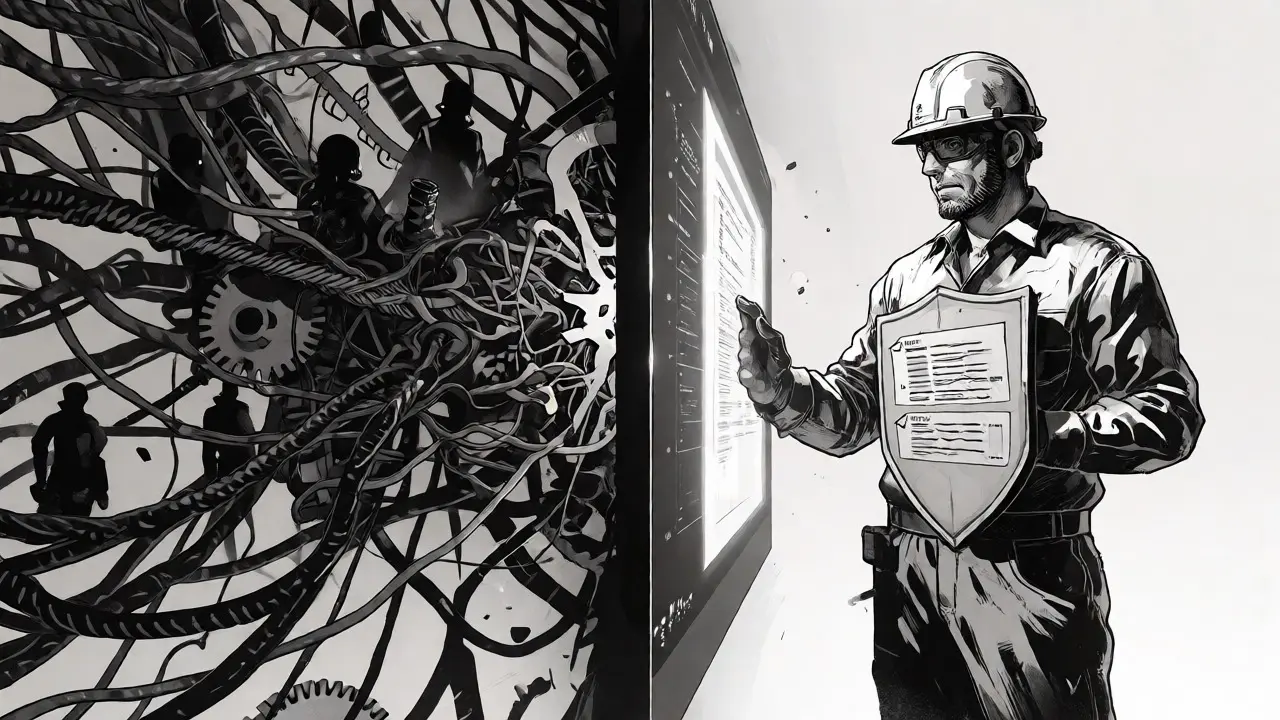
Here’s the catch. Fast code is often fragile code. AI models are notorious for introducing security flaws because they prioritize functionality over security best practices. They don’t "know" they’re building a production system; they just complete the pattern.
| Feature | Vibe Coding | Traditional Coding |
|---|---|---|
| Speed to Prototype | Hours/Days | Weeks/Months |
| Security Posture | Low (Hardcoded secrets common) | High (Standardized protocols) |
| Maintainability | Poor (Lack of documentation) | Good (Structured & documented) |
| Scalability | Risky (Edge cases missed) | Reliable (Architected for load) |
Common pitfalls include hardcoded API keys left in public repositories, missing input validation leading to SQL injection risks, and zero unit tests. When you skip testing, bugs hide until they crash your server during peak traffic. And debugging AI-generated code? It’s often harder than writing it yourself. The code might work, but if it breaks, you have no mental model of why it was written that way.

Who Should Use Vibe Coding?
Vibe coding isn’t one-size-fits-all. It thrives in specific contexts:
- Hackathons & Prototypes: Perfect for showing investors a concept.
- Side Projects: Great for personal tools where perfection doesn’t matter.
- Brainstorming: Use it to explore UI layouts or feature ideas before committing to a tech stack.
However, avoid it for mission-critical systems. Microsoft engineers have noted that AI-generated projects struggle with long-term maintainability. If you’re building banking software or healthcare records, you need precise control, audit trails, and rigorous compliance. Vibe coding lacks the structure for these demands.
How to Mitigate the Risks
You don’t have to choose between speed and safety. Hybrid approaches work best. Use vibe coding to generate the initial scaffold, then apply traditional engineering practices to harden it.
- Review Everything: Never merge AI code without reading it. Look for hardcoded secrets and inefficient loops.
- Add Tests Immediately: Ask the AI to write unit tests for its own code. Run them. Fix failures.
- Document Decisions: Since the AI doesn’t explain its logic, add comments explaining why certain choices were made.
- Refactor Early: Treat the first version as a draft. Clean up the structure before adding new features.
This balance lets you move fast without breaking things permanently. Remember, the code is the only source of truth now. If you don’t understand it, you can’t fix it.
Is vibe coding suitable for enterprise applications?
Generally, no. Enterprise apps require strict security, scalability, and maintainability. Vibe coding often produces inconsistent codebases that lack proper architecture, making them difficult to scale or secure for large teams.
Does vibe coding eliminate the need for programmers?
No, it shifts their role. Developers become architects and reviewers. They still need deep technical knowledge to debug AI outputs, optimize performance, and ensure security standards are met.
What is the biggest risk of vibe coding?
Technical debt and security vulnerabilities. AI often ignores edge cases and security best practices, leading to code that works in demos but fails under real-world load or attack.
Can non-developers effectively use vibe coding?
Yes, for simple prototypes and side projects. However, complex logic and integration issues still require technical intuition to troubleshoot effectively.
How does vibe coding affect team collaboration?
It can hinder it if styles vary widely. Without shared conventions and documentation, each developer’s AI prompts may produce inconsistent code structures, making handoffs difficult.