E-commerce Visuals with Multimodal Generative AI: Lifestyle Shots and Variants
- Mark Chomiczewski
- 18 May 2026
- 0 Comments
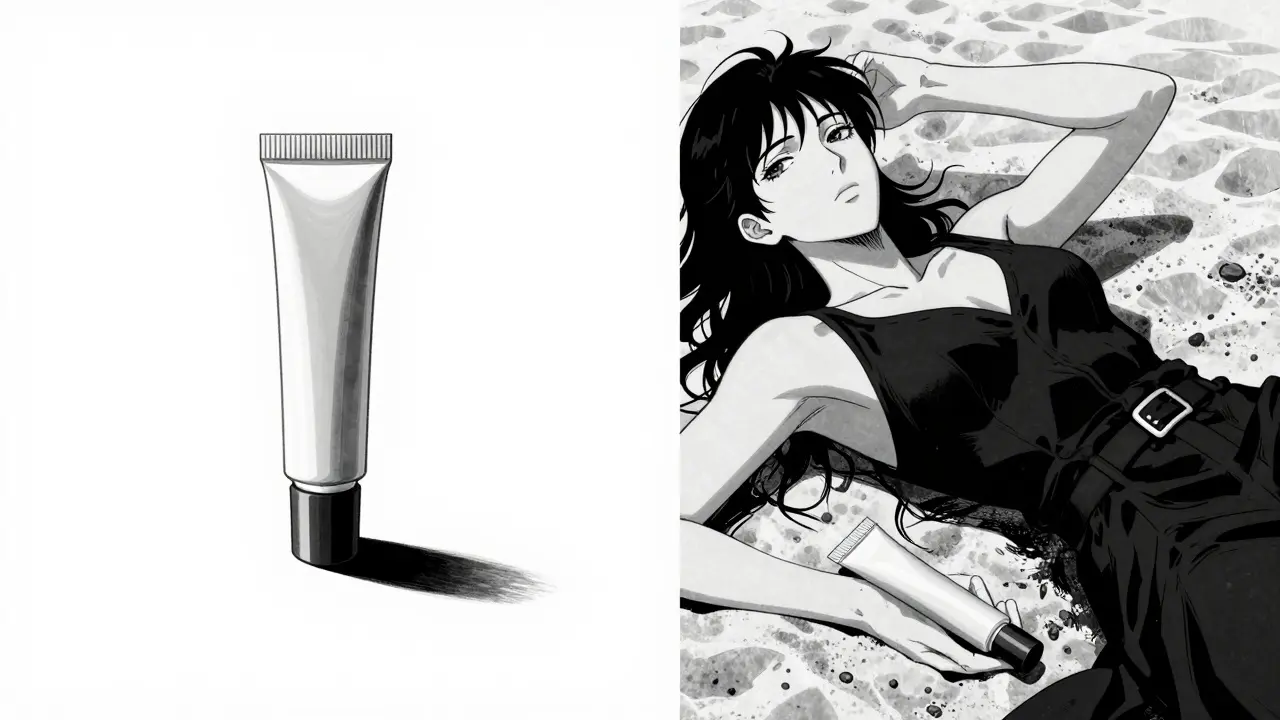
Imagine you just launched a new line of organic lip balms. You have high-quality photos of the tubes on a white background. They look clean, professional, and utterly boring. Now imagine placing that same tube in the hands of a model lying on a sun-drenched beach, the light catching the texture of the wax perfectly. That is the promise of multimodal generative AI, which combines image generation models with scene databases to create photorealistic lifestyle imagery without expensive photo shoots. This technology is reshaping how brands produce content, cutting time-to-content from weeks to minutes while boosting conversion rates through contextual storytelling.
The Core Mechanism: How Multimodal AI Works for Commerce
At its heart, multimodal generative AI is not magic; it is pattern recognition at scale. The system learns from vast datasets of existing product and lifestyle photography to understand how objects interact with environments, lighting, and human subjects. When you upload a basic product shot, the AI doesn't just paste it onto a background. It analyzes the object's geometry, shadows, and textures, then generates a new scene where those elements align naturally with the surroundings.
This process relies on several interconnected components:
- Image Generation Models: These are the engines, such as Gemini 3 Pro or NIA variants, trained to produce high-fidelity visuals.
- Scene Databases: Libraries of pre-built environmental contexts, from minimalist studios to bustling city streets.
- Human Model Assets: Digital representations of diverse demographic options, allowing brands to match their target audience.
- Parameter Customization: Controls for aspect ratio, lighting effects, and aesthetic filters like grain or sharpness.
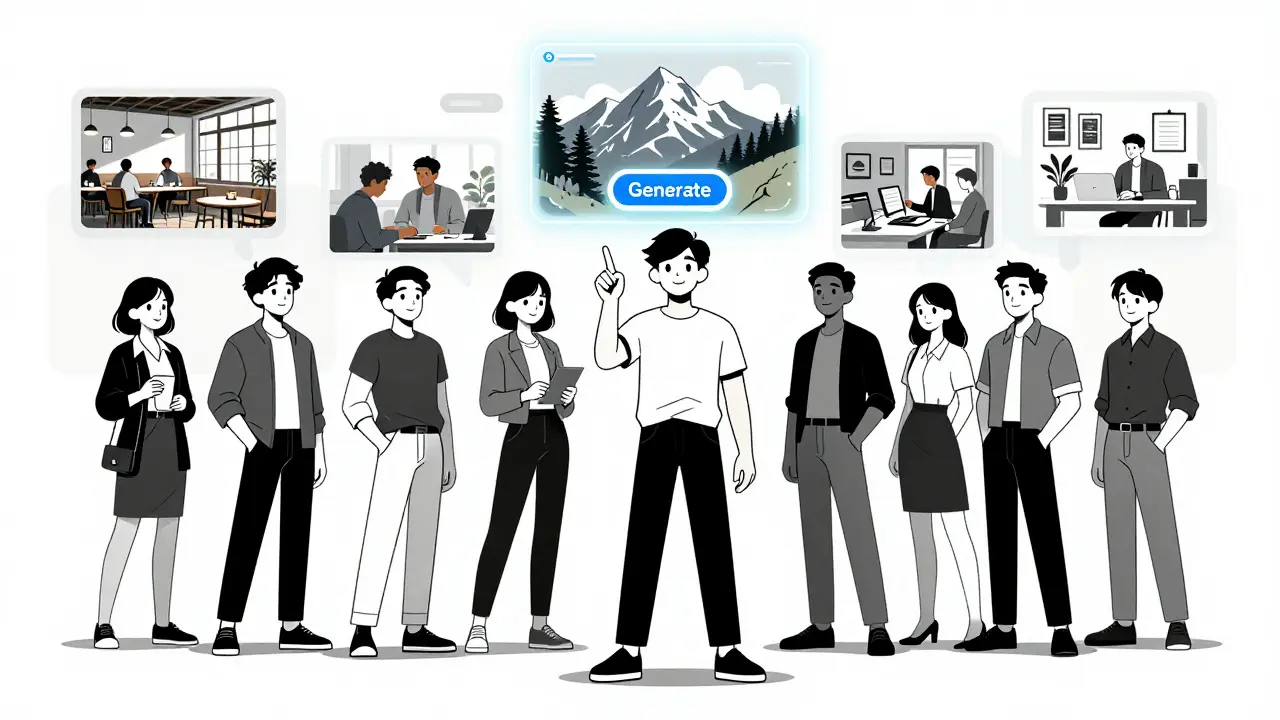
The result is a workflow where a single input image can spawn dozens of contextually rich outputs. For instance, a sweater photographed in an ombre studio can be instantly reimagined on a model hiking in the mountains or sitting in a cozy cafe. This capability addresses a critical gap in traditional e-commerce: basic product photography lacks emotional resonance, while lifestyle imagery drives purchasing intent by showing the product in use.
Practical Implementation: From Upload to Output
Using these tools is surprisingly straightforward, especially when integrated into platforms designed for e-commerce teams. Let’s walk through a typical scenario using a platform like Instant, an AI content studio built specifically for merchants.
- Upload Your Asset: You can drag and drop a local file, pull directly from your Shopify catalog, or even use a URL. The system accepts standard product shots, but quality matters-more on that later.
- Select a Scene: Choose from preset libraries (e.g., "beach," "office," "kitchen") or create a custom environment using text prompts.
- Choose a Model: Select from diverse demographic options. Platforms often offer specific named models, such as "Astrid" for female representation, ensuring consistency across campaigns.
- Set Parameters: Define the aspect ratio (1:1 for Instagram squares, 4:5 for Pinterest) and select the AI model version for best overall quality.
- Generate and Refine: Hit generate. If the result isn’t perfect, use the "edit with AI" feature to tweak specific elements-like changing the model’s pose or adjusting the lighting-without starting over.
This iterative approach allows for rapid experimentation. You might start with a prompt like, "Model is laying on the beach applying lip balm with natural light and a grainy effect." If the lighting feels off, you adjust the prompt slightly and regenerate. The ability to keep everything the same except one variable makes batch creation efficient.
Cost Efficiency and Workflow Transformation
The most compelling argument for adopting multimodal generative AI is cost efficiency. Traditional lifestyle photography requires hiring photographers, models, stylists, and locations. A single shoot can cost thousands of dollars and take days to schedule, execute, and edit. In contrast, AI-generated visuals reduce time-to-content (TTC) dramatically. Small teams working under tight deadlines can now produce compelling visuals that previously required enterprise-level budgets.
Consider a mid-sized brand launching ten new products. Traditionally, they might need three separate photo shoots to get enough lifestyle angles for social media and ads. With AI, they can generate hundreds of variations in hours. This speed isn’t just about convenience; it’s about agility. Brands can test different visuals against real-time performance data and pivot quickly if a particular style resonates more with their audience.
Furthermore, this technology democratizes access to high-quality creative assets. Smaller businesses, who often struggle to compete with larger brands’ marketing spend, can now produce visuals that look professionally curated. This levels the playing field, allowing creativity and product quality to shine rather than being overshadowed by production costs.
Critical Limitations: What AI Still Struggles With
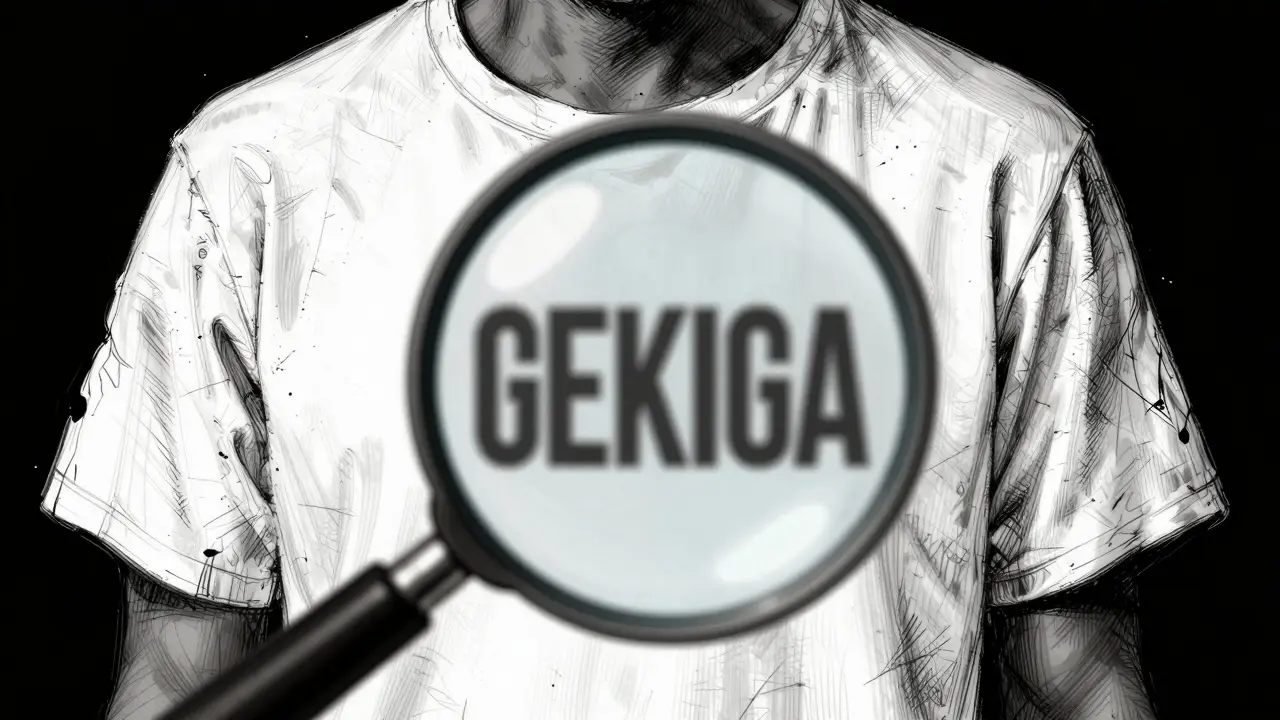
Despite the hype, multimodal generative AI is not flawless. Current limitations can impact commercial viability, particularly for certain product categories. One major challenge is consistency. AI systems sometimes struggle to maintain the exact shape, color, or texture of a product across different generations. For example, a logo on a t-shirt might distort slightly, or the fabric weave might look unnatural.
Fashion and textiles are particularly tricky. As noted by industry testers, a single front-facing photo of a garment isn’t enough for the AI to guess accurately. To get consistent results, you need comprehensive reference material: front, back, side views, and ideally a close-up texture detail so the fabric reads correctly. Without these inputs, the AI may hallucinate details that don’t exist, leading to misleading product representations.
Resolution is another constraint. While AI images look great on social media feeds, they may lack the crispness required for large-format print ads or high-resolution website banners. Additionally, subtle nuances like the way light reflects off glass or metal can sometimes appear artificial. These issues mean that AI should be viewed as a tool for augmentation rather than a complete replacement for professional photography.
Best Practices for High-Quality Results
To maximize the effectiveness of multimodal generative AI, follow these practical guidelines:
- Invest in Good Base Images: Start with high-resolution, well-lit product photos on neutral backgrounds. Avoid cluttered scenes or poor lighting in your source material.
- Provide Multiple Angles: For complex products like clothing or furniture, upload front, back, and side views. Include texture details if possible.
- Use Specific Prompts: Be descriptive. Instead of "nice background," try "modern living room with soft natural light coming from a large window."
- Leverage Batch Generation: Create multiple variations by changing only one parameter at a time. Test different models, scenes, and lighting conditions to find what converts best.
- Review for Accuracy: Always check the generated images for product fidelity. Ensure logos, colors, and shapes match the actual product before publishing.
By treating AI as a collaborative partner rather than a black box, you can mitigate many of its current shortcomings. The goal is to blend the speed of automation with the precision of human oversight.
Integration with Existing E-Commerce Infrastructure
One of the biggest advantages of modern AI platforms is their seamless integration with existing tech stacks. Tools like Instant connect directly with Shopify stores, allowing merchants to pull product images straight from their catalogs. This eliminates the need for manual uploads and ensures that any updates to product listings are reflected in the AI workflow.
This integration also simplifies asset management. Instead of juggling files between cloud storage, editing software, and e-commerce platforms, everything happens within a unified interface. Teams can collaborate easily, sharing generated visuals for approval before pushing them to social media channels or ad networks. This streamlined process reduces friction and accelerates the entire content lifecycle.
The Future of Visual Commerce
Multimodal generative AI is still evolving. We are seeing continuous improvements in model accuracy, scene diversity, and rendering quality. As underlying AI architectures advance, we can expect fewer artifacts, better fabric simulation, and more realistic human interactions. The technology will likely move beyond static images to include dynamic video content, further enhancing engagement.
However, the core value proposition remains unchanged: enabling brands to tell richer stories with less effort. By combining traditional photography for base references with AI for lifestyle contextualization, companies can create hybrid workflows that balance quality and efficiency. This approach positions AI not as a disruptor, but as an essential component of modern digital commerce infrastructure.
What is multimodal generative AI in e-commerce?
Multimodal generative AI refers to artificial intelligence systems that combine multiple types of data-such as images, text, and scene parameters-to generate new, photorealistic visuals. In e-commerce, it transforms basic product photos into engaging lifestyle imagery by placing products in contextual environments with human models, enhancing marketing appeal without costly photo shoots.
Can AI replace professional photographers entirely?
Not yet. While AI excels at generating lifestyle variations and backgrounds, it still struggles with consistency, fabric accuracy, and high-resolution detail. Professional photographers remain essential for capturing high-quality base product images and handling complex scenarios where precise control over lighting and composition is critical. AI works best as an augmentation tool.
How do I ensure my product looks accurate in AI-generated images?
Start with high-resolution, well-lit base images from multiple angles (front, back, side). Include texture details for materials like fabric or wood. Use specific prompts to guide the AI, and always review the output for fidelity. If the product has unique features or logos, verify they render correctly before using the image commercially.
What are the best use cases for AI lifestyle shots?
AI lifestyle shots are ideal for social media posts, digital advertisements, and email marketing campaigns where speed and volume matter. They work well for beauty products, accessories, and simple apparel. For complex fashion items requiring precise fit and drape visualization, traditional photography is still preferred due to current AI limitations in fabric rendering.
Is it expensive to use multimodal generative AI tools?
Compared to traditional photo shoots, AI tools are significantly cheaper. Most platforms operate on subscription or pay-per-use models, costing a fraction of the price of hiring photographers, models, and studios. This makes high-quality visual content accessible to small businesses and startups with limited marketing budgets.
Which platforms offer AI lifestyle generation for e-commerce?
Several platforms specialize in this space, including Instant, Binary Republik's Komar, and CreativeForce solutions. These tools integrate with e-commerce ecosystems like Shopify, offering features like scene selection, model customization, and batch generation tailored for merchant needs.
How does AI improve e-commerce conversion rates?
Lifestyle imagery helps customers visualize how a product fits into their lives, creating an emotional connection that basic product shots lack. Studies show that contextual visuals increase engagement and trust, leading to higher click-through and purchase rates. AI enables brands to produce these compelling visuals at scale, optimizing for different audiences and platforms.