Category: Artificial Intelligence - Page 7

- Mark Chomiczewski
- Jul, 25 2026
- 0 Comments
Prompting for Accessibility: WCAG Compliance Checks in Generated UI
Learn how to ensure WCAG compliance in AI-generated UI. Discover the limits of automated testing, the power of semantic prompting, and practical steps for inclusive design.

- Mark Chomiczewski
- Jul, 24 2026
- 0 Comments
Vision-Language Applications with Multimodal Large Language Models: A Practical Guide
Explore how Multimodal Large Language Models (MLLMs) like GLM-4.6V are transforming AI by combining vision and language. Learn about architectures, real-world applications, and implementation challenges in 2025.
- Mark Chomiczewski
- Jul, 23 2026
- 9 Comments
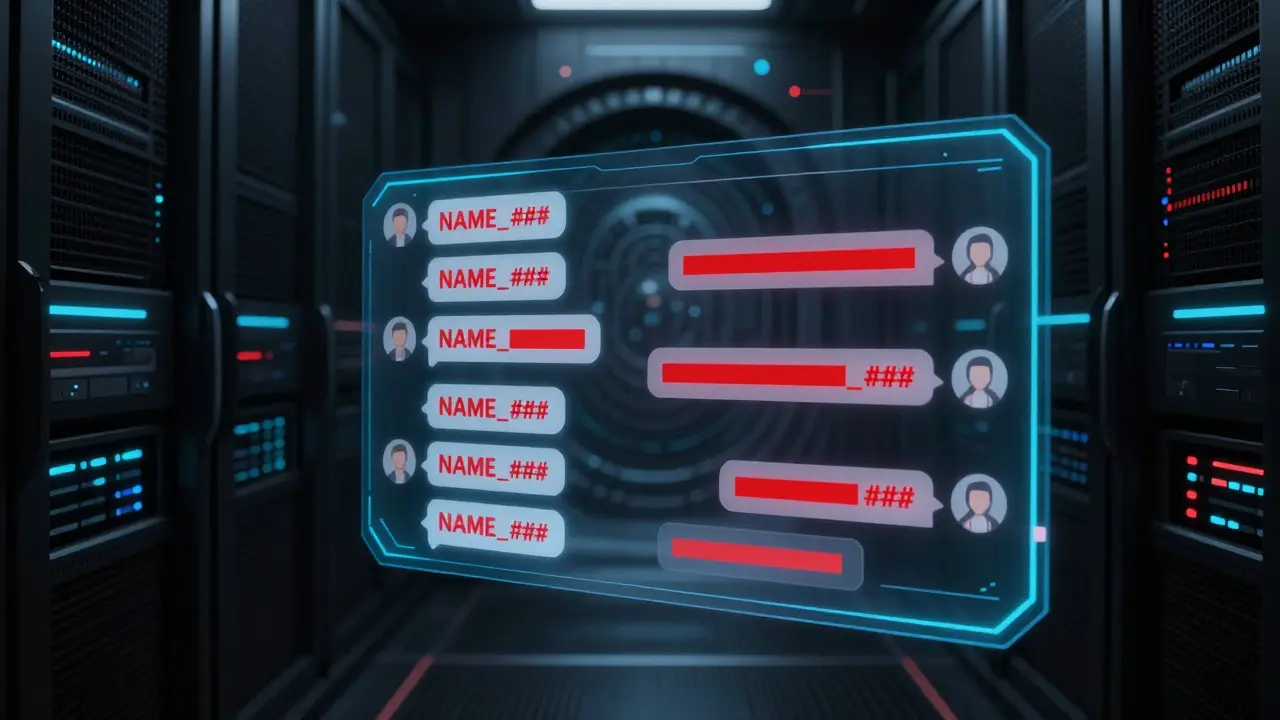
Token-Level Logging Minimization for Privacy in LLM Systems: A Complete Guide
Learn how token-level logging minimization protects user privacy in LLM systems by redacting sensitive data at the source. Discover implementation strategies, performance impacts, and GDPR compliance benefits.

- Mark Chomiczewski
- Jul, 22 2026
- 9 Comments
Mastering Long-Form Generation with LLMs: Structure, Coherence, and Fact-Checking
Learn how to master long-form generation with Large Language Models. Discover strategies for maintaining structure, coherence, and rigorous fact-checking in AI-written content.

- Mark Chomiczewski
- Jul, 21 2026
- 0 Comments
Data Minimization Strategies for Generative AI: Collect Less, Protect More
Learn how to balance AI power with privacy using data minimization strategies like synthetic data and differential privacy. Reduce risk and stay compliant.
- Mark Chomiczewski
- Jul, 20 2026
- 0 Comments
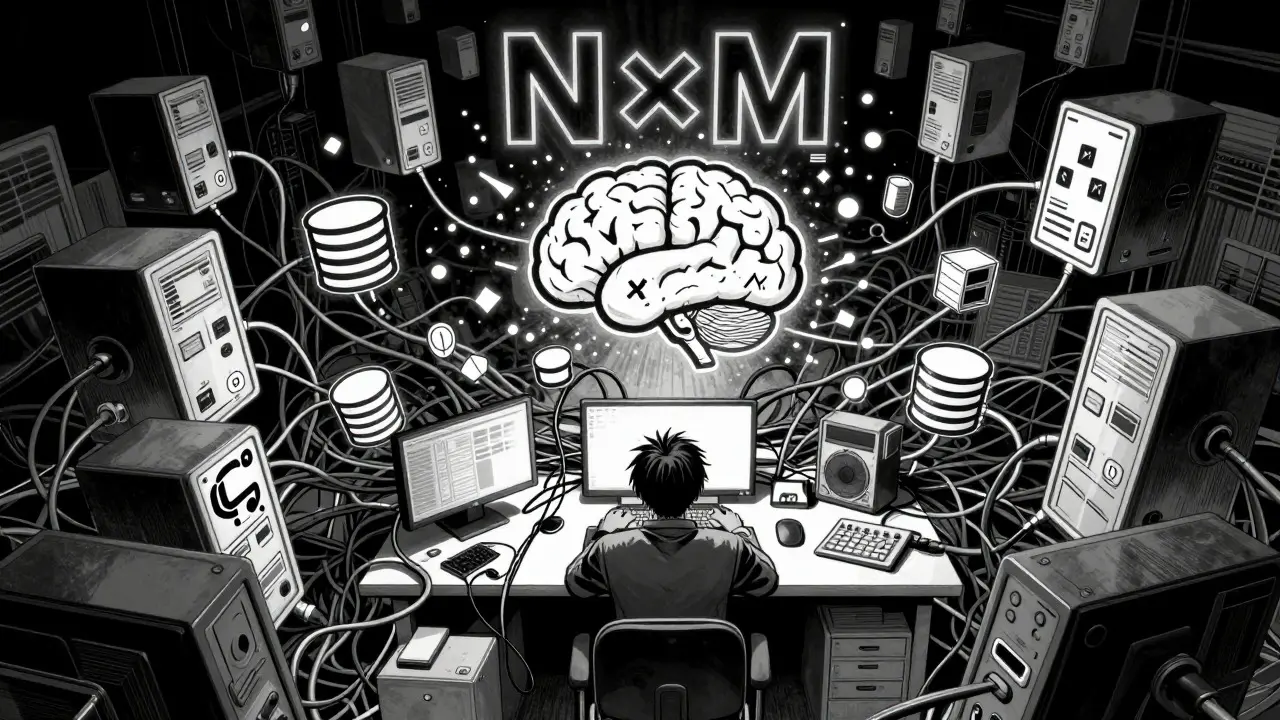
Model Context Protocol (MCP): The Standard for Tool-Using AI Agents
Explore the Model Context Protocol (MCP), the open standard by Anthropic that simplifies AI agent integration. Learn how MCP solves the N×M problem, its architecture, security features, and why it's becoming the industry standard for tool-using LLMs.

- Mark Chomiczewski
- Jul, 19 2026
- 0 Comments
Autonomous Ticket Resolution: How Domain-Specific LLM Agents Transform IT Support
Discover how autonomous ticket resolution with domain-specific LLM agents transforms IT support. Learn about accuracy metrics, implementation challenges, and best practices for deploying AI-driven ticket management systems.

- Mark Chomiczewski
- Jul, 18 2026
- 0 Comments
Human Oversight in Generative AI: Review Workflows and Escalation Policies
Learn how to implement effective human oversight in generative AI. Explore review workflows, risk-based escalation policies, and strategies to balance speed with safety in AI deployments.

- Mark Chomiczewski
- Jul, 18 2026
- 10 Comments
Human Oversight in Generative AI: Review Workflows and Escalation Policies
Master human oversight in generative AI with proven review workflows and escalation policies. Learn to balance efficiency and control while ensuring compliance and accuracy.

- Mark Chomiczewski
- Jul, 16 2026
- 7 Comments
Cost-Performance Tuning for Open-Source LLM Inference: A Practical Guide
Learn how to cut LLM inference costs by 70-90% using quantization, continuous batching, and model cascading. A practical guide to optimizing open-source models like Llama-3 for production.

- Mark Chomiczewski
- Jul, 15 2026
- 6 Comments
Vibe Coding Resources: Best Courses, Templates, and Forums for New Developers in 2026
Discover the best vibe coding resources for 2026. Compare top courses, templates, and forums to master AI-driven development quickly.

- Mark Chomiczewski
- Jul, 14 2026
- 10 Comments
Hardware Trends Accelerating Vibe Coding: GPUs, NPUs, and Edge AI in 2026
Explore how GPUs, NPUs, and Edge AI hardware are accelerating vibe coding in 2026. Learn which chips power local LLMs for instant, intent-driven software development.